High Blood Pressure: Symptoms, Causes, Prevention & When to See a Doctor
High blood pressure, also known as hypertension, affects millions of people worldwide and is one of the leading risk factors for heart disease, stroke, and kidney disease. The challenge is that many people have high blood pressure without experiencing any symptoms, making regular health checkups essential for early detection. Fortunately, with healthy lifestyle habits, regular monitoring, and timely medical care, high blood pressure can often be effectively managed.
What Is Blood Pressure?
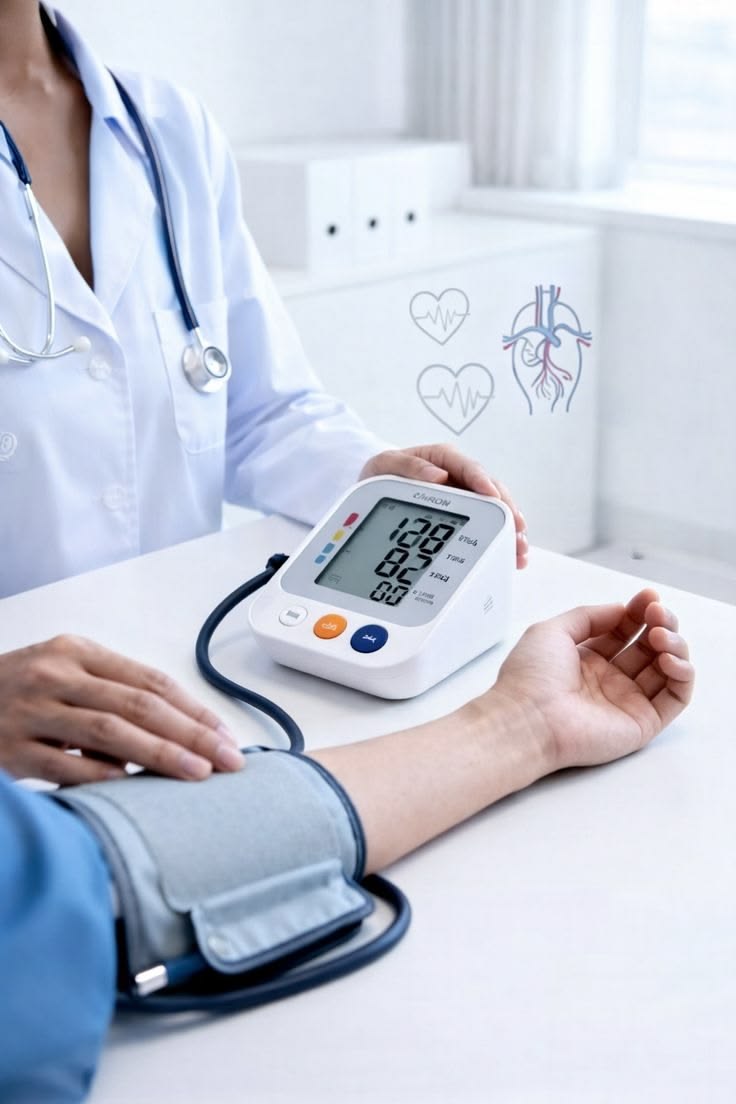
Blood pressure measures the force of blood pushing against the walls of your arteries as your heart pumps blood throughout your body.A blood pressure reading consists of two numbers:
Systolic pressure (top number): The pressure when the heart beats.
Diastolic pressure (bottom number): The pressure when the heart relaxes between beats.
According to the American Heart Association, a normal blood pressure is below 120/80 mmHg.
Why Is High Blood Pressure Dangerous?
High blood pressure can damage your blood vessels over time without causing noticeable symptoms.If left untreated, it increases the risk of:
Heart attack
Stroke Heart failure
Kidney disease
Vision problems
This is why hypertension is often called "the silent killer."
Common Causes of High Blood Pressure
Several factors can contribute to hypertension, including:
Family history
Excess salt intake
Obesity
Physical inactivity
Smoking
Excessive alcohol consumption
Chronic stress
Diabetes
Kidney disease Aging
Symptoms of High Blood Pressure
Many people have no symptoms.However, severely elevated blood pressure may cause: Severe headaches
Dizziness
Blurred vision
Chest pain
Shortness of breath
Nosebleeds (less commonly)
Fatigue
If you experience chest pain, severe shortness of breath, confusion, or sudden weakness, seek emergency medical care immediately.
How Can You Prevent High Blood Pressure?
Simple lifestyle changes can make a significant difference:
✔ Eat a balanced diet rich in fruits and vegetables
✔ Reduce sodium intake
✔ Exercise regularly
✔ Maintain a healthy weight
✔ Stop smoking
✔ Limit alcohol
✔ Manage stress
✔ Get enough sleep
✔ Monitor your blood pressure regularly
When Should You See a Doctor?
You should schedule an appointment if:
Your blood pressure is consistently above 130/80 mmHg
You have diabetes
You have kidney disease
You have a family history of hypertension
You experience symptoms such as dizziness or chest discomfort.
Regular checkups allow early diagnosis and help prevent complications.
How Primary Care Can Help
At Primary Care, our healthcare team supports patients with:
✔ Blood pressure screening
✔ Annual health checkups
✔ Chronic disease management
✔ Laboratory testing
✔ Family medicine consultations
✔ Internal medicine specialists
✔ Telemedicine consultations
✔ Personalized lifestyle guidance. Whether you need routine monitoring or ongoing treatment, our physicians are here to help you protect your heart health.
Conclusion
High blood pressure often develops silently, but early detection can prevent serious complications. Regular blood pressure monitoring, healthy lifestyle habits, and routine medical checkups are the best ways to protect your long-term health.
If you are concerned about your blood pressure, book an appointment with Primary Care and take the first step toward better heart health.