

Heatstroke in Summer: What It Is, How to Prevent It & When to Seek Medical Care
Summer is the perfect time for outdoor activities, vacations, and family gatherings. However, rising temperatures can also increase the risk of heat-related illnesses, with heatstroke being the most serious and potentially life-threatening condition.
Understanding the warning signs of heatstroke and knowing how to prevent it can help protect you and your loved ones during the hottest months of the year.
What Is Heatstroke?
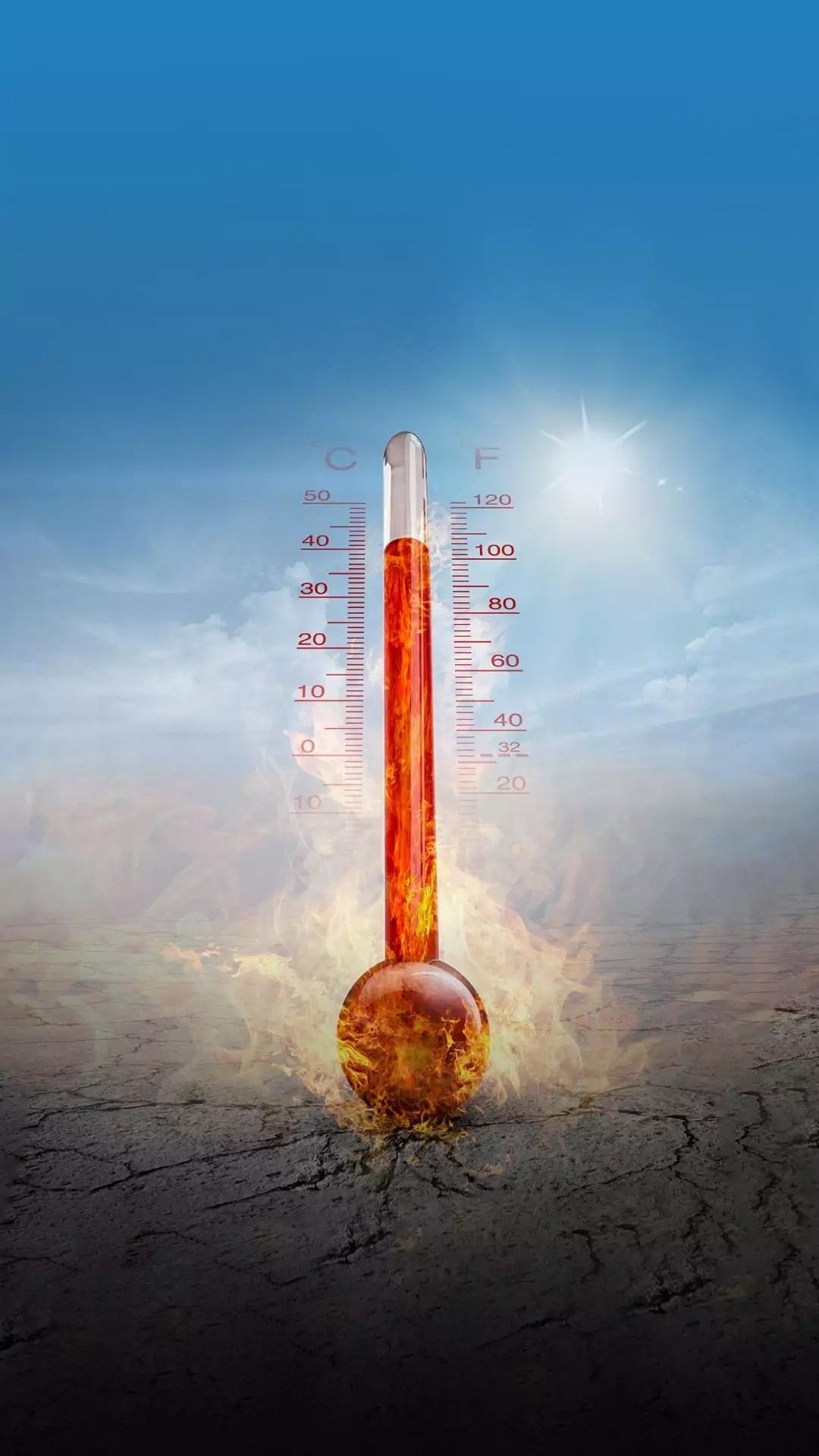
Heatstroke is the most severe form of heat-related illness. It occurs when the body's temperature rises to 40°C (104°F) or higher, and the body can no longer regulate its temperature effectively.
Unlike mild heat exhaustion, heatstroke is a medical emergency that requires immediate treatment. Without prompt care, it can damage the brain, heart, kidneys, and other vital organs.
Common Symptoms of Heatstroke
Recognizing heatstroke early can save lives. Symptoms may include:
High body temperature (40°C or higher)
Hot, flushed skin
Rapid heartbeat
Severe headache
Dizziness or fainting
Nausea or vomiting
Confusion or difficulty speaking
Seizures: Loss of consciousness.
If you suspect someone has heatstroke, seek emergency medical attention immediately.
Who Is Most at Risk?
Anyone can develop heatstroke, but some individuals are at greater risk, including:
Young children
Older adults Pregnant women
People with chronic conditions such as diabetes or heart disease
Outdoor workers
Athletes exercising in hot weather
Individuals taking medications that affect hydration or body temperature
How to Prevent Heatstroke During Summer
Fortunately, heatstroke is often preventable. Follow these simple precautions:
Stay Hydrated
Drink water regularly throughout the day, even if you don't feel thirsty. Avoid excessive caffeine and sugary beverages, which may contribute to dehydration.
Avoid Peak Heat Hours
Limit outdoor activities between 10:00 AM and 4:00 PM, when temperatures are usually at their highest.
Wear Lightweight Clothing
Choose light-colored, loose-fitting clothing made from breathable fabrics to help your body stay cool.
Use Sunscreen
Protect your skin with a broad-spectrum sunscreen (SPF 30 or higher) and reapply it regularly when outdoors.
Take Frequent Breaks
If you're working or exercising outside, rest in shaded or air-conditioned areas to allow your body to cool down.
Never Leave Children or Pets in a Parked Car
The temperature inside a parked vehicle can rise rapidly, even with the windows slightly open, creating life-threatening conditions within minutes.
First Aid for Heatstroke
While waiting for emergency medical services:
Move the person to a cool or shaded area.
Remove excess clothing.
Cool the body using cold water, wet towels, or ice packs placed on the neck, armpits, and groin.
If the person is conscious and able to swallow, small sips of water may be appropriate—but do not force fluids if they are confused or unconscious.
Continue cooling efforts until professional medical help arrives.
When Should You Seek Medical Care?
Heatstroke requires immediate emergency medical treatment.
You should also seek medical evaluation if you experience:
Persistent dizziness after heat exposure
Repeated vomiting
Severe dehydration
Symptoms that do not improve after cooling down
Heat-related illness in children, older adults, or individuals with chronic medical conditions
How Primary Care Can Help
At Primary Care, we believe prevention is the first step toward better health.
Our experienced healthcare professionals provide comprehensive care for heat-related illnesses through:
Family Medicine for preventive care and early evaluation of heat-related symptoms.
Internal Medicine for adults, particularly those with chronic conditions who may be more vulnerable during extreme heat.
Pediatrics to support children who may be at increased risk of dehydration and heat-related illnesses.
Telemedicine consultations for medical advice and follow-up when appropriate.
Laboratory Services, when recommended by your physician, can be used to assess dehydration or electrolyte imbalances.
If you have concerns about heat exposure or need guidance on staying healthy during the summer, our team is here to support you with personalized, compassionate care.
Conclusion
Heatstroke is a serious but often preventable medical emergency. Staying hydrated, avoiding prolonged heat exposure, recognizing warning signs early, and seeking timely medical care can significantly reduce the risk of complications.
Whether you're protecting your children, caring for an older family member, or managing a chronic health condition, taking simple precautions can help you enjoy a healthier and safer summer.