



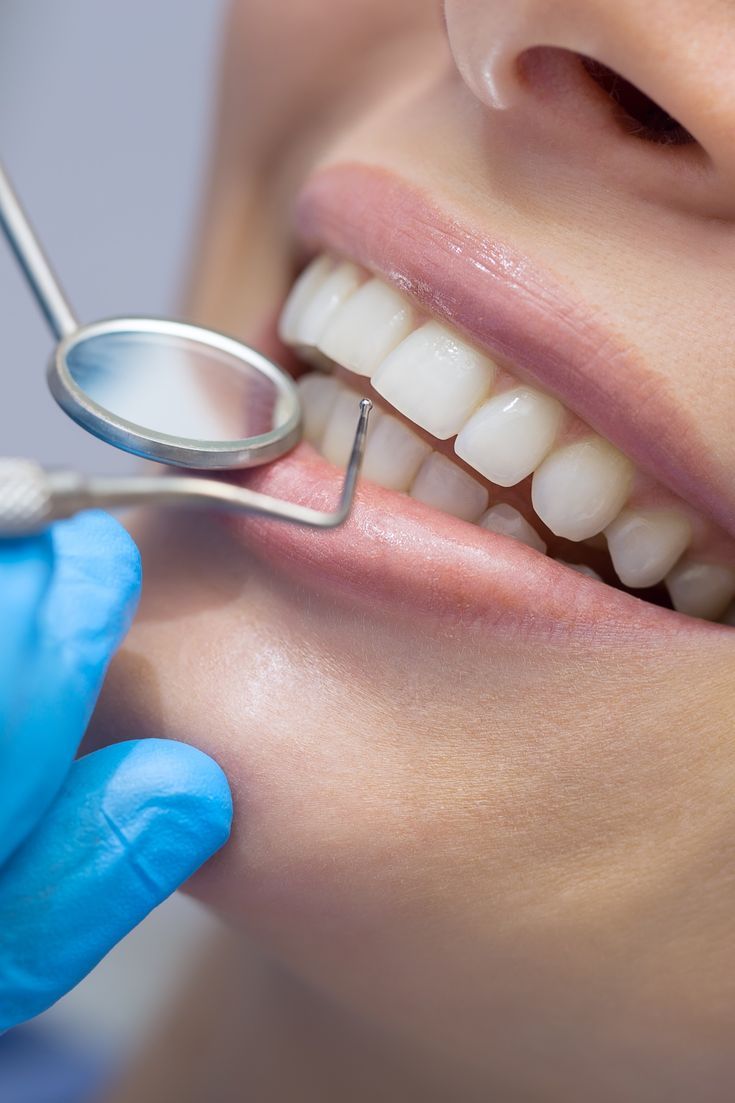
Why Ignoring Dental Pain Can Cost You More Than a Smile
Many people ignore a toothache, hoping it will disappear on its own. While the pain may temporarily improve, the underlying problem often continues to worsen. What starts as mild discomfort can develop into severe pain, infection, tooth loss, or even affect your overall health.
Seeking dental care early not only helps relieve pain but can also prevent more complex and costly treatments in the future.
What Causes Dental Pain?
Dental pain can result from many different conditions, including:
Tooth decay (cavities)
Gum disease
Cracked or broken teeth
Dental abscesses
Worn tooth enamel
Impacted wisdom teeth
Tooth sensitivity
Loose or damaged
fillings
Because many dental problems share similar symptoms, it's important to have persistent pain evaluated by a dental professional.
Signs You Should Never Ignore
Schedule a dental appointment if you experience:
Persistent tooth pain
Pain when chewing or biting
Sensitivity to hot or cold that doesn't go away
Swollen or bleeding gums
Facial swelling
Bad taste or pus around a tooth
Persistent bad breath
Loose teeth
Jaw pain or difficulty opening your mouth
These symptoms may indicate an infection or another condition that requires prompt treatment.
The Hidden Cost of Delaying Treatment
Ignoring dental pain doesn't just affect your comfort—it can also lead to more extensive treatment later.For example:
A Small Cavity Can Become a Root Canal
When decay is treated early, a simple filling is often enough. If left untreated, bacteria can reach the tooth's pulp, making root canal treatment—or even extraction—necessary.
Gum Disease Can Progress
Early-stage gum disease (gingivitis) is often reversible with professional cleaning and good oral hygiene. Without treatment, it can progress to periodontitis, increasing the risk of bone loss and tooth loss.
Dental Infections Can Spread
An untreated dental abscess can spread to surrounding tissues and, in rare cases, lead to serious health complications. Early diagnosis and treatment are essential.
Protecting Your Smile Starts with Prevention
Good oral health begins with daily habits:
Brush your teeth twice a day with fluoride toothpaste.
Floss daily to remove plaque between teeth.
Limit sugary foods and drinks.
Drink plenty of water.
Visit your dentist regularly for checkups and professional cleaning.
Preventive care is one of the most effective ways to avoid dental pain and maintain a healthy smile.
How Primary Care Can Help
At Primary Care, our dental team is committed to helping patients maintain healthy teeth and gums through comprehensive, patient-centered care.
Our dental services include:
Comprehensive dental examinations
Digital dental X-rays
Professional teeth cleaning
Tooth-colored fillings
Root canal treatment
Gum disease treatment
Tooth extractions
Cosmetic dentistry
Personalized preventive care plans
Whether you're experiencing a sudden toothache or simply need a routine dental checkup, our experienced dental professionals are here to provide timely diagnosis, effective treatment, and compassionate care.
Frequently Asked Questions
Can a toothache go away on its own?
The pain may temporarily improve, but the underlying cause usually remains. A dental examination is recommended to identify and treat the problem.
Is dental pain always an emergency?
Not every toothache requires emergency care, but severe pain, facial swelling, fever, or difficulty swallowing should be assessed immediately.
How often should I visit the dentist?
Most people benefit from a dental checkup every six months, although your dentist may recommend a different schedule based on your oral health needs.
Conclusion
Dental pain is your body's way of telling you that something isn't right. Ignoring it may allow a small problem to become a more serious condition that requires more complex treatment.
At Primary Care, we're committed to helping you protect your oral health through early diagnosis, preventive care, and personalized treatment.
If you're experiencing tooth pain or have concerns about your oral health, don't wait—schedule a dental consultation and take the first step toward a healthier smile.